
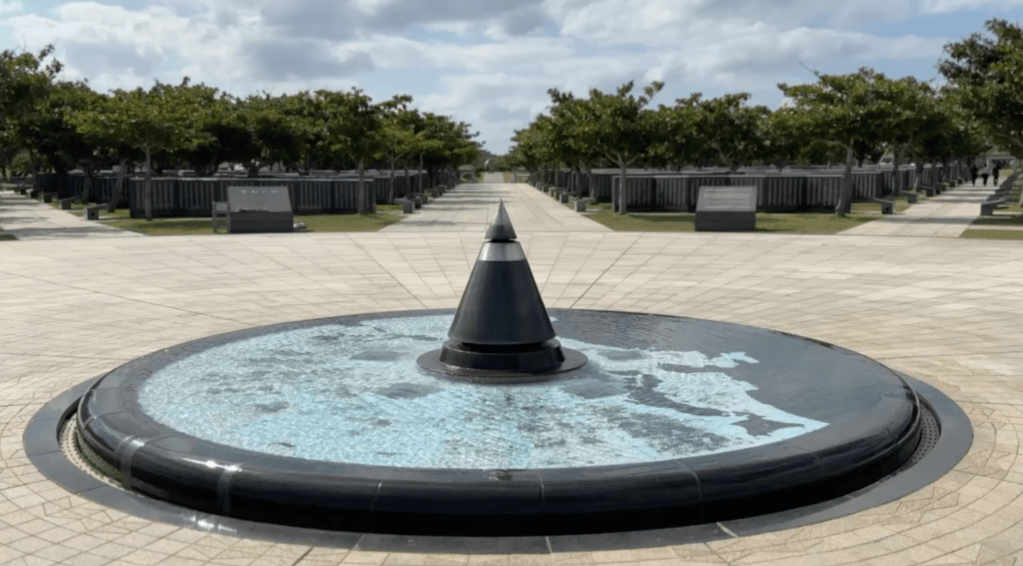
This year marks the 80th anniversary of the landing of U.S. troops in Okinawa, a significant event in the history of the island. On April 1, 1945, American forces began their ground invasion of Okinawa, which would become one of the bloodiest battles of World War II. Okinawans continue to oppose the presence of U.S. and Japanese military bases in the Ryukyu Islands.
During the Battle of Okinawa, around one-third of the Uchinaanchu, or Native Okinawan population, lost their lives, amounting to around 150,000 according to the estimates of scholars. Japanese soldiers, who were stationed on the island, deliberately murdered Okinawan civilians, used many as human shields, and forced thousands of others to commit suicide. Overall around 240,000 people were killed during the battle.
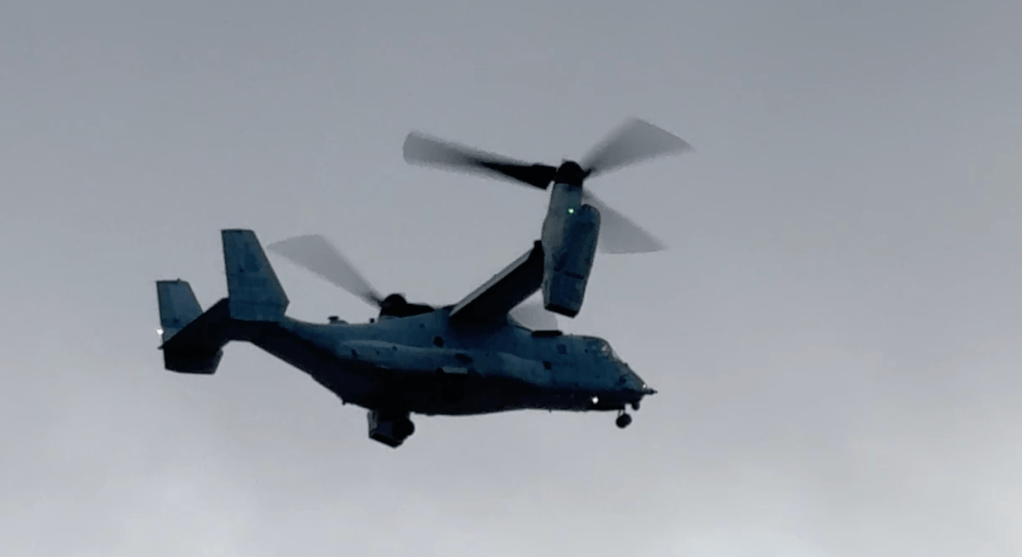
Despite being 80 years since the end of World War II, the presence of U.S. and Japanese military bases on Okinawa remains a contentious issue for the island’s residents. The U.S. military currently occupies about 15% of Okinawa’s land, and the Japanese government plans to relocate a U.S. airbase to a different part of the island, which has sparked protests and opposition from the local community. Okinawans have long expressed their concerns about the environmental and social impact of the military bases, including noise pollution, accidents, and crimes committed by U.S. soldiers.
As the 80th anniversary of the U.S. troop landing in Okinawa is recognized, it serves as a reminder of the devastating effects of war and the ongoing struggles faced by the Okinawan people. The island’s residents continue to call for the removal of military bases and the restoration of their land and peace. The anniversary also serves as an opportunity for the international community to reflect on the consequences of war and the importance of promoting peace and understanding among nations.



 Okinawa News Network
Leave a comment